Why the figures online are wrong for the UK
Most of what ranks for "is a padel club profitable" is written to sell a spreadsheet. It quotes American rents, American wages and a court price that has not been true in Britain since 2022. A UK operator's costs are different in three ways: our electricity is dearer, our minimum wage is higher and rising every April, and our courts are cheaper to fill because demand outruns supply. The LTA counted 1,553 padel courts in Britain at the end of 2025, up from 870 a year earlier, and the average British court still sells more of its hours than almost anywhere else.
So here are the figures, one line at a time.
Building the court
| Item | UK 2026 range | Source |
|---|---|---|
| Outdoor court, built | £45,000 to £75,000 per court | UK trade marketplaces and builders' 2026 guides |
| Whole project with groundworks, drainage and lighting | £60,000 to £270,000 depending on court count | LTA padel construction guidance |
| LED floodlighting | £6,000 to £12,000 per court | Builders' guides; LTA cites £7,000 to £8,000 for a conversion |
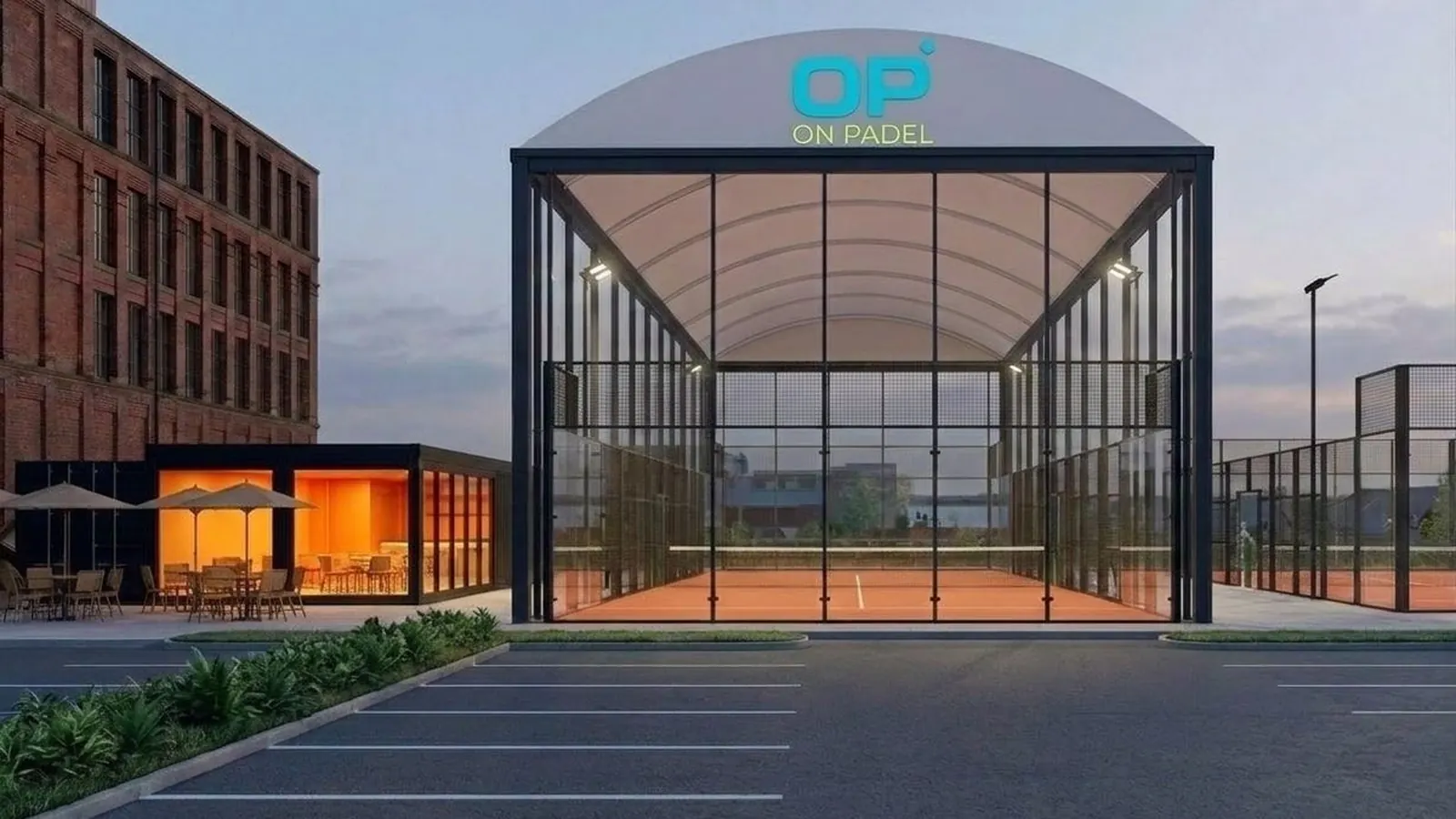
| Covered or canopied courts | roughly double the outdoor figure | Builders' guides |
Two things to notice. Lighting is about a tenth of the court, and it is the part that keeps costing money after the ribbon is cut. And the ranges are wide because ground conditions and access vary more than the courts do.
Lighting: about £1 an hour, if it is on when it should be
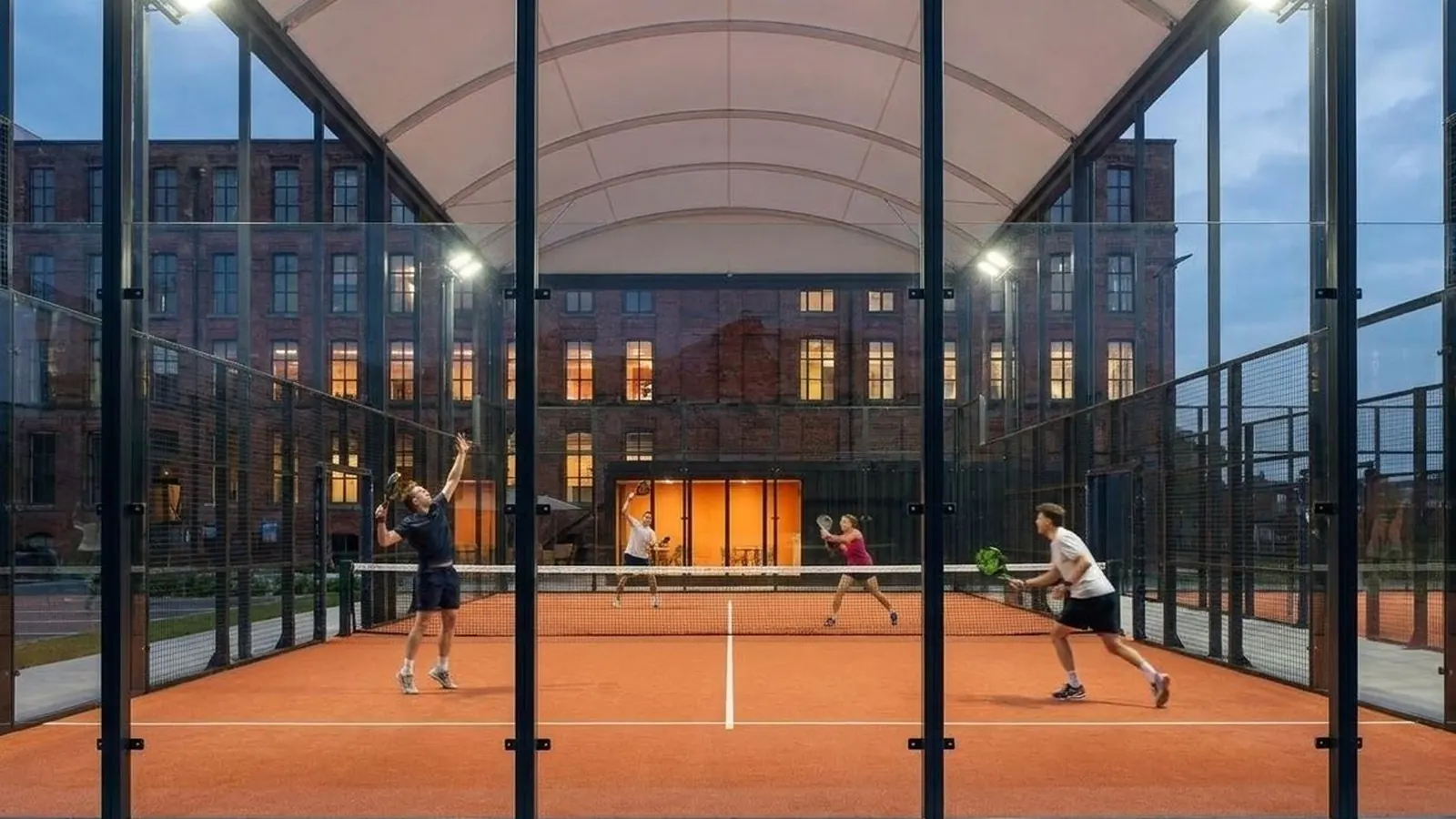
The LTA's own guidance for LED-lit courts puts running cost at roughly £1 per court per hour of play. Our own metering at a two-court outdoor venue lands lower, because commercial tariffs have eased since that figure was published: a modern court draws about 1.5 kW under floodlights, and at 2026 commercial rates of around 27p a unit that is 40 to 45 pence an hour.
What matters is not the rate but the hours. A court whose lights come on for a booking and go off two minutes after it uses lights for the hours it sells. A court on a timer, or switched by whoever locks up, is lit from dusk to close whether anyone is on it or not. On a winter day that is five to six unlit-but-lit hours per court. At two courts and £1 an hour that is about £3,500 a year of electricity nobody paid for, which is the LED conversion cost again every two years.
Staffing: the biggest number by far
The National Living Wage from April 2026 is £12.71 an hour. With employer's National Insurance and pension it costs an employer about £14.50 an hour to have someone on the desk.
| Cover | Hours a week | Cost a month |
|---|---|---|
| Evenings only, 5pm to 10pm, seven days | 35 | about £2,200 |
| Full opening hours, 7am to 10pm, seven days | 105 | about £6,600 |
That is the number every other line in this article is small next to. A two-court venue turning over £4,000 to £10,000 a month cannot carry £6,600 of wages, which is why the successful small venues in Britain are either attached to something that already has staff, or run unstaffed: the booking opens the gate and lights the court, and a person is there for coaching and cleaning, not for opening doors.
Revenue: what a court earns
The UK average court-hour is about £33, higher in London, lower in the regions. A single court sold for eight hours a day at that rate is £264 a day, or about £8,000 a month; sold for four hours a day it is £4,000. Published UK ranges of £2,000 to £5,000 a month per court reflect venues at the lower end of utilisation.
Utilisation is where the business is won or lost. Indoor and covered courts in Britain sell around 70% of their available hours; outdoor courts around 45%, dragged down by winter and by the hours nobody wants. Every hour above that line is nearly all margin, because the court, the lights and the booking platform cost the same whether it sells or not.
Putting it together: a two-court outdoor venue
Before rent, VAT and corporation tax, which vary too much by site to put a number on:
| Line | Per month |
|---|---|
| Court revenue at 45% of 15 hours a day, £33 an hour | about £13,000 |
| Booking platform fees and card processing | £300 to £600 |
| Electricity, lights following bookings | £400 to £500 |
| Electricity, lights on a dusk-to-close timer | £700 to £900 |
| Insurance, maintenance, cleaning, consumables | £800 to £1,500 |
| Staff, evenings only | £2,200 |
| Staff, full hours | £6,600 |
Unstaffed with automated lights, that venue keeps most of its revenue. Staffed through the day with lights on a timer, it keeps under half. The published margin range for UK padel clubs, 30% to 35% for well-run venues and under 20% for the rest, is mostly this table.
Break-even
At the revenue above and a £120,000 build, a two-court outdoor venue that runs lean and pays a modest rent pays back its courts in well under two years. Industry estimates put UK break-even at 18 to 36 months, and the difference between the ends of that range is almost entirely staffing and utilisation, not the price of the court.
What we would tell someone opening one
- Build the lighting control in on day one. It is a few hundred pounds against £7,000 of floodlights and it decides whether the lights cost £5,000 a year or £9,000.
- Decide the staffing model before you decide the court count. Two courts cannot pay for a desk; four might.
- Chase utilisation in the dead hours, not the price in the busy ones. An empty Tuesday afternoon at £20 beats an empty one at £33.
- Measure. A court that can tell you its own hours, its own kilowatt-hours and its own empty slots is worth more than one that cannot.
Sources for the figures above: LTA padel construction and floodlighting guidance, LTA participation figures published March 2026, UK builders' 2026 cost guides, UK government National Living Wage rates for April 2026, published commercial electricity rates for 2026, and our own metered venues. Ranges are given where sources disagree.